
Coffee Shop Culture Trends and Community Impact
597 views
Nothing empties a coffee shop faster than making it feel like a place to buy coffee instead of a place to belong.
Most people don't remember the latte art. They remember the conversation they had by the window, the stranger who recommended a book, or the barista who knew their order after only three visits. That's where modern coffee culture has shifted. The drink still matters, but the experience surrounding it matters even more.
I've watched neighborhood cafés transform from simple caffeine stops into informal offices, community meeting spaces, creative studios, and even local business incubators. It wasn't an overnight change. Faster Wi-Fi, remote work, digital payments, sustainability concerns, and social media quietly reshaped what customers expect every time they push open the café door.
Coffee Isn't the Product Anymore
Walk into a successful independent coffee shop today and you'll notice something curious.
Half the room might be working.
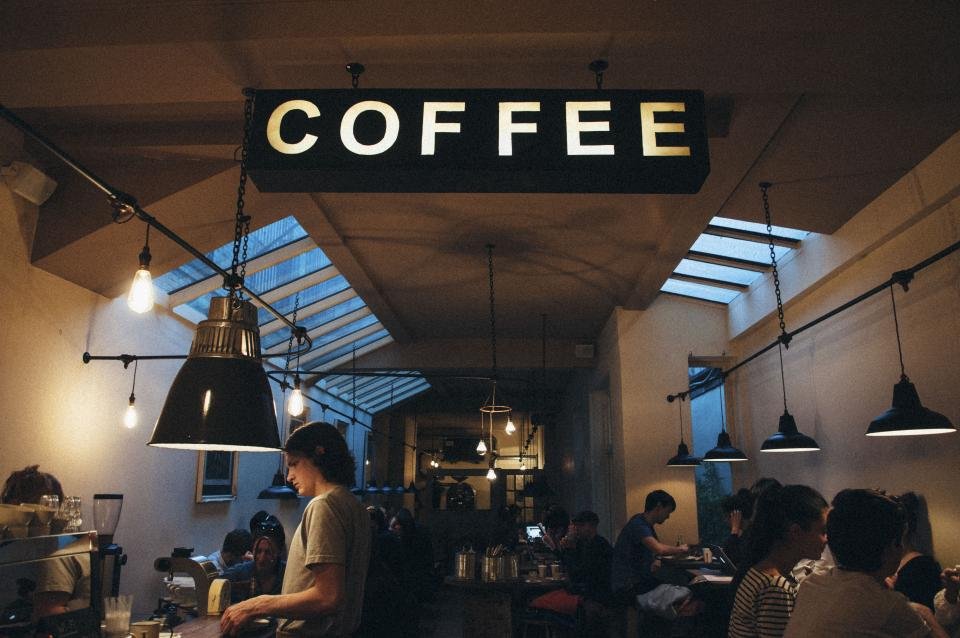
Someone is editing a video. Another customer is on a Zoom meeting with noise-canceling headphones. A student highlights lecture notes while charging a laptop beneath the table. Nearby, two retirees spend an hour discussing local news over a shared pot of coffee.
The espresso machine keeps working, but the real product is time.
That shift became much more visible after the global rise of hybrid and remote work. Companies embraced flexible schedules, and workers started searching for environments that offered reliable internet without the isolation of home offices.
Many cafés responded by investing in practical improvements rather than flashy décor:
Faster fiber internet
Additional power outlets
Ergonomic seating
Larger shared tables
USB-C charging stations
Quiet corners for video calls
Some even publish internet speeds on their websites. It's not unusual to see cafés advertising symmetrical gigabit fiber or Wi-Fi 6 access points instead of simply saying "Free Wi-Fi."
Small details. Big difference.
Remote Work Changed Everything
The pandemic accelerated trends that were already beginning.
Coffee shops discovered that customers staying two or three hours often spent more than someone grabbing a takeaway coffee. Instead of encouraging quick turnover, many businesses adapted.
You'll now find cafés offering:
Traditional Café | Modern Community Café |
|---|---|
Quick coffee stop | Extended workspace |
Limited seating | Shared work tables |
Cash payments | Contactless payments |
Basic Wi-Fi | High-speed fiber internet |
Fixed menu | Seasonal specialty drinks |
Background music | Zoned quiet areas |
Payment technology evolved alongside these changes.
Many cafés now support NFC contactless payments through Apple Pay, Google Wallet, Samsung Wallet, Visa payWave, and Mastercard Contactless. QR-code ordering has also become common, particularly in busy urban locations, reducing waiting times during peak hours.
Behind the counter, cloud-based point-of-sale systems such as Square POS, Toast POS, Clover, and Lightspeed Retail help owners track inventory, employee scheduling, customer loyalty rewards, and daily sales without maintaining expensive on-premises servers.
Customers rarely notice.
Owners definitely do.
Specialty Coffee Keeps Raising Expectations
A decent cup isn't enough anymore.
Consumers increasingly ask questions that were once limited to coffee enthusiasts.
Where were the beans grown?
Was the coffee naturally processed or washed?
What roast profile was used?
Independent cafés often highlight single-origin beans from Ethiopia, Colombia, Guatemala, Brazil, or Kenya alongside tasting notes like citrus, dark chocolate, jasmine, or caramel.
Many also explain brewing methods rather than hiding them.
Popular manual brewing options include:
V60 pour-over
Chemex
AeroPress
Kalita Wave
French Press
Siphon brewing
Each method changes extraction, body, acidity, and flavor clarity. Experienced baristas usually enjoy explaining those differences, which creates conversations that simply don't happen in fast-food coffee chains.
Sustainability Became a Business Strategy
Customers notice waste.
Even if they don't mention it.
Many cafés now offer discounts for reusable cups, biodegradable takeaway packaging, compostable straws, and ethically sourced coffee certified through organizations like Fairtrade International or Rainforest Alliance.
Some shops roast locally to reduce transportation costs and emissions.
Others donate spent coffee grounds to community gardens or local farmers instead of sending them to landfill.
These aren't marketing tricks alone.
Energy prices have increased across many regions, making waste reduction financially sensible as well. Lower electricity consumption, reduced packaging costs, and smarter inventory forecasting all improve profit margins while appealing to environmentally conscious customers.
Social Media Is Driving Coffee Trends Faster Than Ever
One viral drink can reshape seasonal menus within weeks.
Platforms like Instagram, TikTok, and YouTube Shorts have shortened trend cycles dramatically.
A café might introduce:
Strawberry matcha
Brown sugar oat latte
Lavender cold foam
Pistachio iced latte
Orange espresso tonic
A month later?
Customers are asking for something completely different.
This creates a balancing act. Chasing every trend increases operational complexity, ingredient waste, and staff training requirements. Ignoring trends altogether risks making the menu feel outdated.
The smartest cafés usually mix dependable classics with a handful of seasonal experiments.
Community Events Matter More Than Discounts
Discount campaigns bring people once.
Communities bring them back.
Independent cafés increasingly host events that have little to do with coffee itself.
Book clubs.
Board game nights.
Language exchanges.
Local artist exhibitions.
Charity fundraisers.
Small acoustic performances.
Photography meetups.
Writers' workshops.
I've seen cafés that became known less for their cappuccinos than for the friendships formed inside them. Regular customers begin recognizing each other. Business owners exchange referrals. Freelancers discover clients sitting two tables away.
That social network becomes incredibly difficult for competitors to copy.
The Rise of Digital Loyalty Programs
Paper punch cards haven't disappeared, but digital loyalty systems are steadily replacing them.
Many coffee shops now integrate rewards directly into their POS software or mobile apps.
Customers earn points automatically after scanning a QR code or paying with their preferred digital wallet.
Benefits often include:
Free drinks after a spending threshold
Birthday rewards
Personalized offers based on purchase history
For café owners, these systems also generate valuable insights into customer behavior without manually tracking repeat visits.
Naturally, privacy regulations still apply. Businesses collecting customer information should follow local data protection laws, such as the European Union's GDPR where applicable, and clearly explain how loyalty data is stored and used.
Local Businesses Benefit Too
Coffee shops quietly stimulate nearby economies.
A thriving café increases foot traffic that spills into neighboring bookstores, boutiques, bakeries, florists, and gift shops.
Real estate agents often mention nearby independent cafés when marketing residential neighborhoods because buyers increasingly associate them with walkability and community engagement.
Small business owners benefit as well.
Informal networking frequently happens over coffee before it ever reaches conference rooms.
Many startups were sketched onto café napkins long before official business plans existed.
That hasn't changed.
Challenges Coffee Shops Face Behind the Counter
Customers usually see cozy lighting.
Owners see spreadsheets.
Operating costs continue rising across much of the hospitality industry.
Some of the biggest pressures include:
Higher green coffee bean prices caused by weather disruptions in producing countries
Rising wages
Increased rent
Utility costs
Equipment maintenance
Commercial espresso machines from manufacturers such as La Marzocco, Victoria Arduino, or Nuova Simonelli can cost several thousand dollars before installation and water filtration systems are added.
Grinders require calibration.
Espresso recipes drift as humidity changes throughout the day.
Milk wastage quietly eats into profits if staff overestimate demand.
Those tiny operational details separate consistently excellent cafés from inconsistent ones.
Why Younger Generations View Cafés Differently
Gen Z and younger Millennials often treat coffee shops as lifestyle spaces rather than beverage retailers.
The design matters.
The music matters.
The lighting matters.
Reliable Wi-Fi matters almost as much as espresso quality.
A customer may spend thirty minutes selecting a café based entirely on online photos, customer reviews, accessibility, and available seating before ever ordering a drink.
Digital visibility has become part of physical hospitality.
The Future Looks Local
Large chains continue expanding.
Independent cafés continue adapting.
The interesting part isn't which side wins. Both serve different audiences.
Neighborhood coffee shops increasingly succeed by emphasizing authenticity instead of scale. Local art replaces mass-produced décor. Seasonal ingredients replace standardized menus. Staff remember names instead of loyalty numbers.
Technology will continue evolving. Artificial intelligence may improve inventory forecasting, reduce food waste, and help schedule staffing based on historical demand. Contactless ordering will become even smoother. Mobile pre-orders will likely grow.
Still, the strongest competitive advantage remains stubbornly old-fashioned.
Human connection.
Frequently Asked Questions
Why do people spend hours in coffee shops?
Many cafés now function as informal workspaces, study areas, and meeting places. Comfortable seating, reliable Wi-Fi, charging points, and a relaxed atmosphere encourage longer visits beyond simply drinking coffee.
How do coffee shops support local communities?
They host events, provide gathering spaces for residents, showcase local artists, purchase supplies from nearby businesses, and create networking opportunities for entrepreneurs, freelancers, and community groups.
Why are specialty coffee shops becoming more popular?
Consumers increasingly value transparency about bean origin, roasting methods, sustainability, and brewing techniques. Many enjoy exploring different flavor profiles rather than ordering the same coffee every time.
What technology is most important for modern cafés?
Cloud-based POS systems, digital loyalty platforms, contactless NFC payments, QR-code ordering, reliable fiber internet, and Wi-Fi 6 networking have become standard features for many successful coffee shops.
Are independent coffee shops still competitive against large chains?
Yes. While chains benefit from scale and consistency, independent cafés often compete through personalized service, unique menus, community events, locally roasted coffee, and stronger neighborhood relationships.
Looking Ahead
The cafés likely to thrive over the next few years won't simply serve better coffee—they'll continue building places where people actually want to spend time. If you're running a coffee shop, look beyond the menu. Watch how customers use your space, ask what keeps them returning, and make small improvements that encourage genuine connection. Those subtle changes often leave a longer-lasting impression than any seasonal drink ever could.
coffee shop culture
cafe trends
community cafes
coffee culture
local coffee shops
cafe lifestyle
social coffee spaces
modern cafes
coffee community
cafe industry trends
Found this helpful? Share it!